
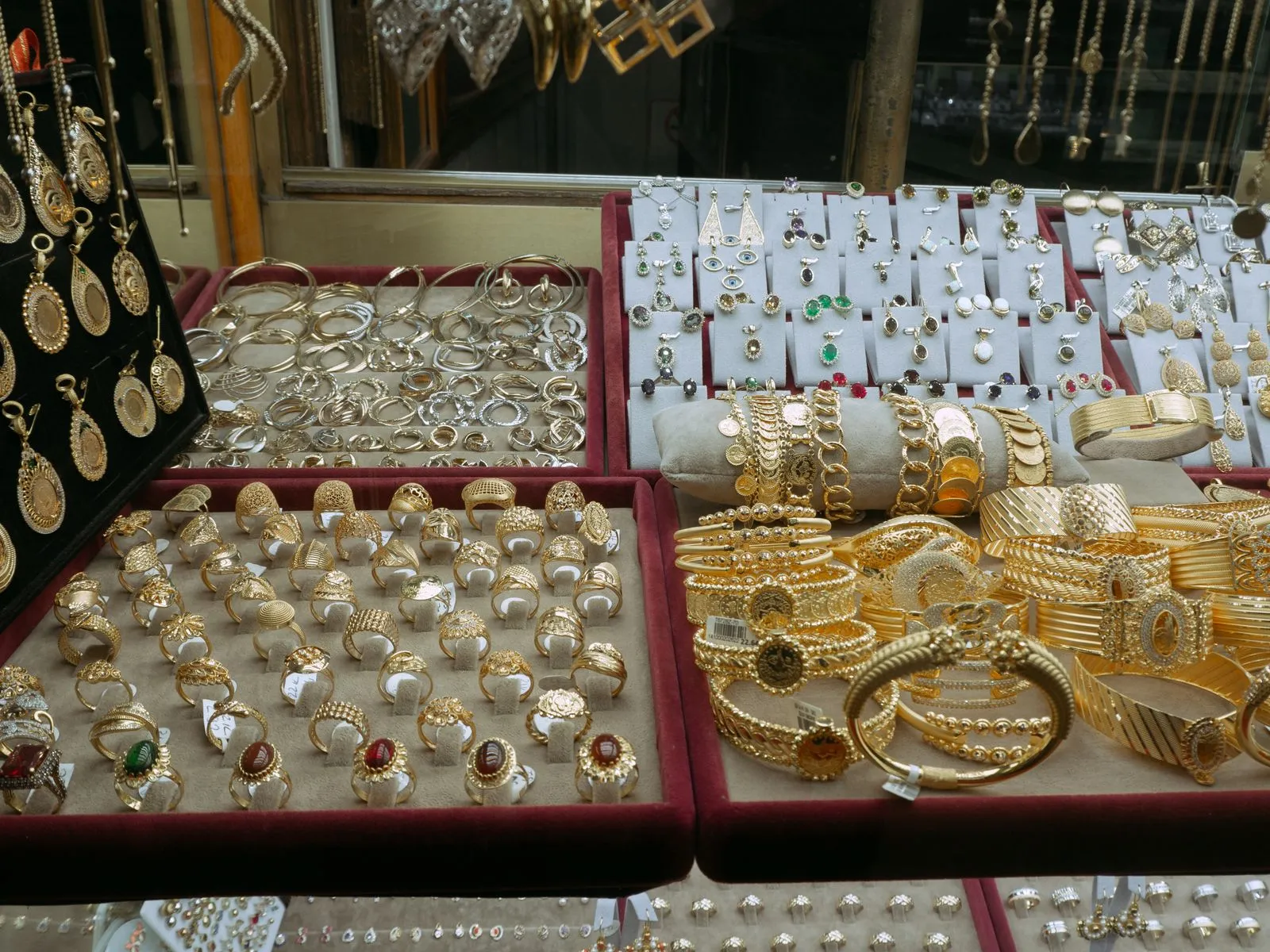
Gold jewelry can handle everyday wear, but lotions, sweat, soap, and knocks can gradually dull its shine. A few easy habits help keep your favorite pieces looking their best without special equipment or harsh cleaners. Start with gentle cleaning, give jewelry a safe place to rest, and take off pieces when they could snag or get exposed to chemicals. These practical steps work for many gold pieces, though designs with gemstones or delicate details may need extra care.
Clean Gently and Regularly
For a basic clean, add a few drops of mild dish soap to a bowl of warm water. Let plain gold jewelry soak briefly, then use a soft toothbrush to loosen grime around links and settings. Rinse it thoroughly with clean water and pat dry with a lint-free cloth. Close the drain or work over a bowl so a small piece cannot slip away.
Skip bleach, abrasive powders, and rough brushes. These can damage jewelry or its finish, especially on pieces with a surface treatment. Ultrasonic cleaners are not suitable for every design, either. If your jewelry includes pearls, opals, glued elements, or other delicate materials, follow the maker’s care guidance instead of soaking it.
Protect It During Daily Wear
Put jewelry on after applying lotion, sunscreen, perfume, or hair products, and let those products dry first. Residue can collect on gold and make it look cloudy. Remove rings before washing dishes, using cleaning products, gardening, or exercising. Taking them off also reduces the chance of a stone loosening or a chain catching on something.
Gold is durable, but it can still scratch, bend, or wear at points that rub repeatedly. Avoid stacking pieces if they knock against one another, and take off jewelry before swimming or using a hot tub. Chlorine and other chemicals can harm some gold alloys and settings. If a clasp feels loose or a setting catches on fabric, pause wearing the piece until it can be checked.
Store Pieces Separately
Keep jewelry dry and away from direct sunlight when you are not wearing it. Place each item in a soft pouch or a separate compartment in a lined jewelry box. Separate storage helps prevent chains from tangling and reduces scratches from pieces rubbing together. Fasten necklaces before storing them, and lay delicate chains flat when possible.
Avoid leaving jewelry loose on a bathroom counter, where moisture and accidental knocks are common. Before putting a piece away, make sure it is completely dry. For travel, use a small jewelry case with individual sections rather than dropping several pieces into one pocket or bag.
Know When to Get Help
A soft polishing cloth can lift light fingerprints and everyday smudges between washes. Use one made for jewelry and follow its instructions; avoid vigorous rubbing, particularly on plated or textured surfaces. If a piece has intricate details, visible wear, or a delicate finish, gentle wiping is safer than trying a stronger polish.
Arrange a professional inspection if a stone moves, a clasp fails to close securely, or a chain develops a weak spot. A jeweler can check the setting and recommend cleaning that suits the piece. Keep any care instructions that came with your jewelry, since gold purity, construction, and added materials can affect the best approach.
Gentle cleaning, thoughtful storage, and removing jewelry before rough or chemical-heavy tasks can make daily gold pieces easier to care for. Check clasps and settings now and then, and choose cleaning methods that suit each design. With a little attention, your favorite pieces can keep their warm shine through everyday wear.